
Farm Insurance in Georgia and Alabama
Farming is more than just a job, it's a way of life.
We write farm insurance across Georgia and Alabama line by line, from the dwelling and the equipment shed to the livestock and the farm trucks, so an operation is not left carrying a general package that never matched what is actually on the place.
Tell us the acreage, the equipment and the stock, and we will put it in front of a carrier that writes farms like yours.
A farm policy built part by part
A farm is a house, a set of buildings, a yard full of machinery, live animals and a year's worth of stored crop, all sitting on the same ground. Each of those pieces is insured differently, and we go through them one at a time before anyone quotes a number.
Farm dwellings and the house on the place
The farmhouse and any other dwelling on the property can be written into the farm policy alongside the operation, which keeps the house and the acreage under one renewal and one agent. Tenant houses, a retired parent's home and a manager's residence are all insurable on the same policy. If the house is your only building and there is no working operation behind it, our homeowners insurance page is the better starting point.
Barns, shops, grain bins and equipment sheds
Farm outbuildings are scheduled by structure, each with its own limit, because a pole barn and a climate-controlled shop are not worth the same money. A standard homeowners policy treats a barn or a farm shop as a detached structure with a small percentage limit, which rarely comes close to what it costs to rebuild one. We list the buildings out with you and set limits that reflect current construction costs rather than what the barn cost to put up.
Farm machinery and mobile equipment
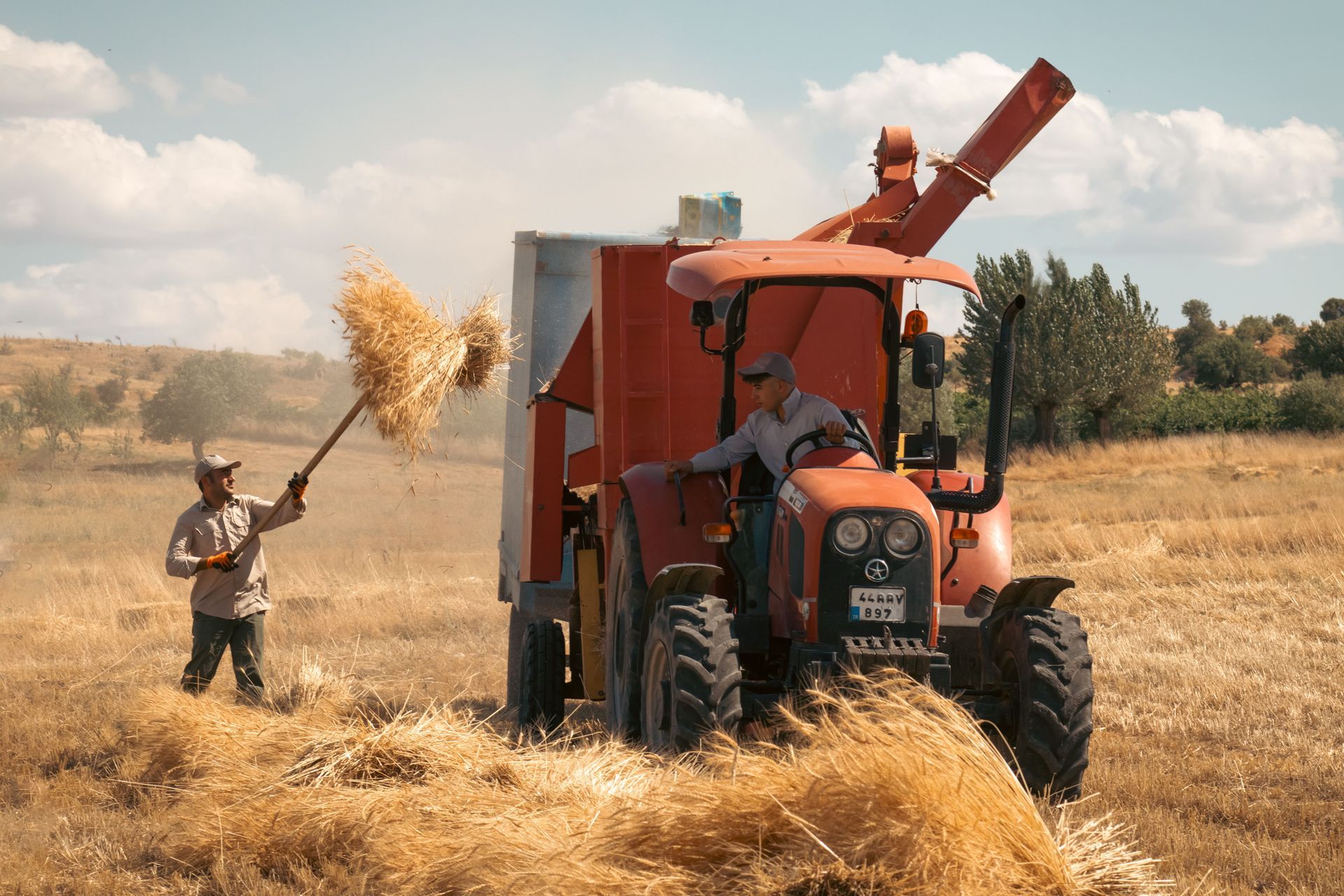
Tractors, combines, pickers, planters, hay equipment, grain augers and irrigation pivots are covered as mobile equipment, either on a blanket limit or scheduled by unit with serial numbers. The decision that carries the most weight is how each machine is valued. Actual cash value on a fifteen-year-old tractor pays what that tractor is worth today, while replacement cost pays toward putting a comparable machine back in the shed, and the gap between those two numbers shows up at claim time rather than at renewal.
Livestock, blanket herd and scheduled animals
Cattle, hogs, horses and small stock can be covered on a blanket herd limit that follows the head count, or scheduled individually where a bull, a show animal or a breeding cow is worth well more than the average. Livestock coverage responds to named perils, and the ones that actually take animals in south Georgia are lightning, electrocution, drowning, attack by dogs or wildlife, and collision with a vehicle. We match the form to the herd so a lightning strike in a June storm is a claim and not a conversation.
Stored crops, hay and inputs
Harvested grain in the bin, hay in the barn, and the seed, fertilizer and chemical sitting in inventory all carry real dollars and are insurable as farm personal property. Limits are usually set against the peak value the barn holds, not the average, since the exposure is highest right after harvest and right before planting. Crops still standing in the field are a separate matter and are handled through federal crop insurance rather than a farm policy.
The exposures that come with this ground
Coffee County farms rarely do just one thing. Pine tracts, poultry houses and custom work for neighbors all sit alongside row crop and cattle, and each one changes what the policy has to cover.
Timber insurance for standing stands, harvest equipment and log trucks
Timber insurance covers standing timber and reforested stands against fire and other named causes of loss, which weighs heaviest in the years after planting when a stand has cost money and produced nothing. Harvesting equipment gets written separately, since skidders, loaders, cutters and knuckleboom trucks are worth more than most farm machinery and take harder use. The liability side is the part operators underestimate: log trucks on US 441 and US 319, crews working a tract, and gates and roads shared with landowners.
Poultry house coverage and the contract behind it
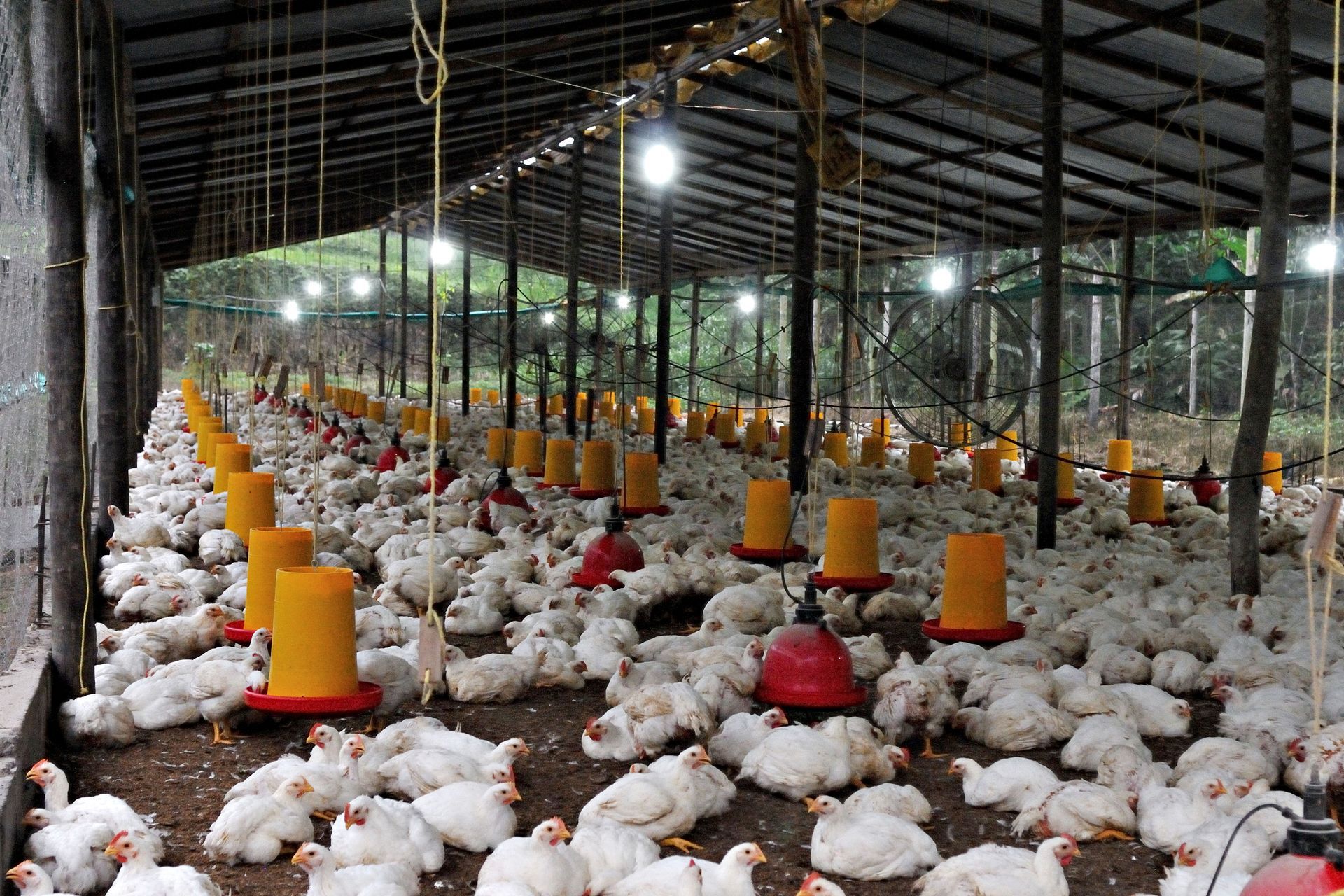
A poultry house is insured as a structure, but the equipment inside it carries much of the value, including generators, controllers, feed lines, fans and alarm systems. Loss of income coverage responds when a house sits empty because of a covered loss, which is the difference between a bad month and a missed note payment. Most grower contracts spell out limits and coverages the integrator expects you to carry, so bring the contract and we will read it against the policy.
Agribusiness insurance when the operation does more than grow
Agribusiness insurance picks up where a farm policy stops. Custom harvesting or spraying for hire, roadside and produce sales, a packing shed, grain handling for neighbors and equipment repair on the side are all commercial activities, and a farm form was not written to cover work done for other people's money. Work performed for hire generally belongs on a general liability policy, and the rest of the commercial side is laid out on our business insurance page.
Farm liability insurance for what happens on the place
Farm liability insurance answers for injury and damage that happens because of the farm, and a working operation invites more people and more traffic than most owners count. The claims we see come from ordinary days, not disasters.
- A visitor, delivery driver or equipment salesman hurt in the barnyard or around running machinery.
- Cattle through a fence and out on the road, and the wreck that follows.
- Chemical drift or misapplication that reaches a neighbor's crop, pond or yard.
- A hunter, lease holder or guest on the property under a hunting or grazing lease.
- Neighbors, family and hired help working alongside you at harvest.
A farm liability limit and a homeowners liability limit are not the same coverage, and a farm exposure sitting behind a homeowners limit is one of the most common gaps we find on a policy review. A personal umbrella can sit over the farm and the household together, which is usually the least expensive way to raise both limits at once.
Farm trucks, trailers and side-by-sides
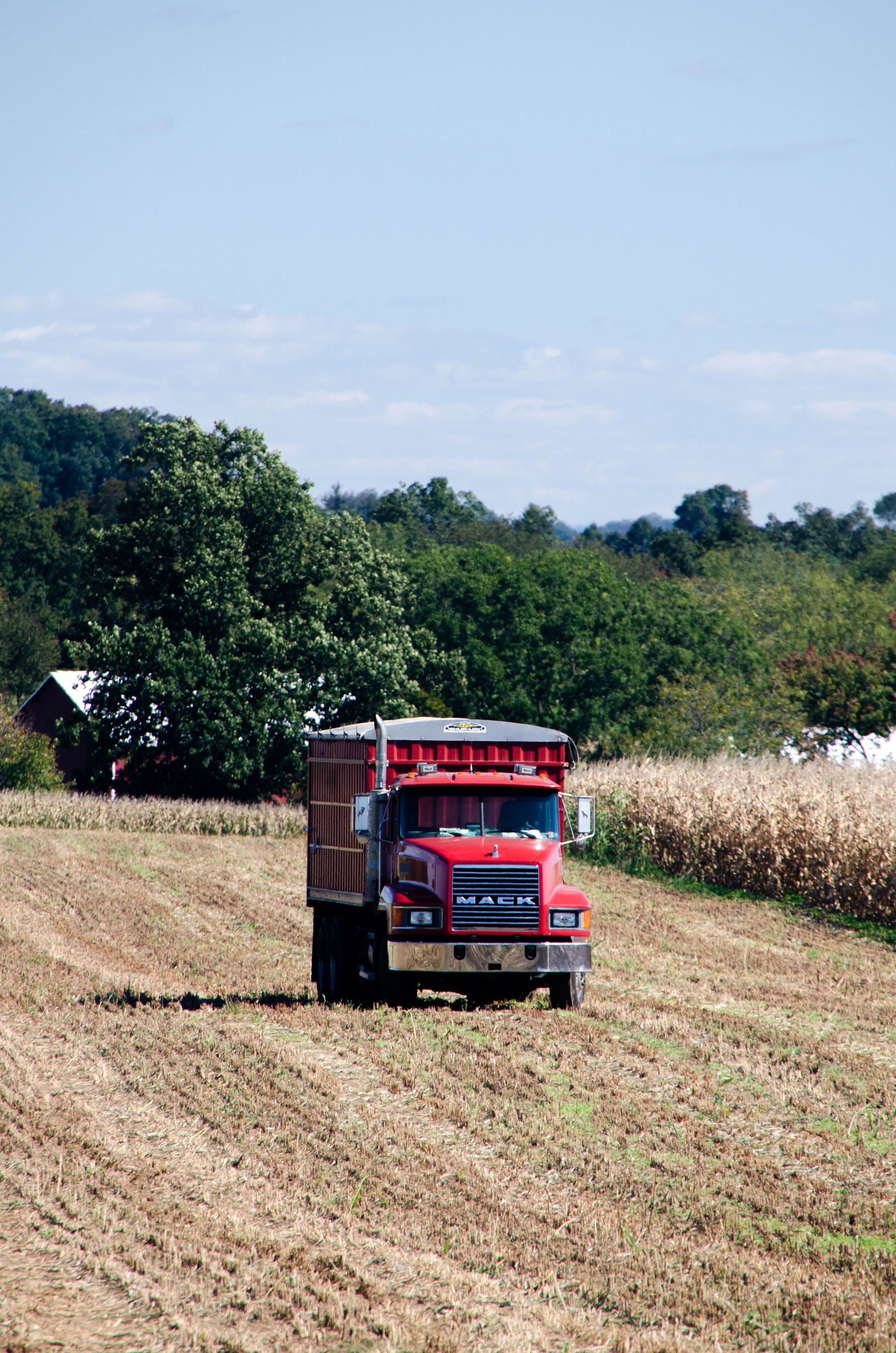
The trucks are part of the operation, so they belong in the policy conversation. Farm truck auto liability insurance covers the vehicles that run the place, and how each one is titled, tagged and used decides which policy it belongs on.
- Farm-plated pickups and trucks used to move equipment, inputs and stock for the farm's own account.
- Grain, livestock, flatbed and equipment trailers, including trailers left parked and loaded.
- ATVs and side-by-sides used for checking fence, cattle and irrigation.
- Older trucks kept on the place for seasonal work and still carrying an active registration.
A truck used for hire, or hauling well beyond the farm's own use, needs a
commercial auto policy behind it rather than a farm endorsement, and that line is worth sorting out before a loss rather than after. Georgia also requires continuous liability coverage on any vehicle with an active registration, and carriers report that coverage to the state electronically, so a lapse on a farm truck between policies causes trouble beyond the gap itself.
Farms of every size, from a few head to a full row-crop operation
We write coverage for small acreages with a few cows and a shop, and for operations running thousands of acres, poultry houses and their own equipment fleet. The ground we know best runs from Douglas and the rest of Coffee County out through Pearson, Ambrose, Broxton, Nicholls and Willacoochee, along with the rest of Georgia, and we write
Alabama insurance for operators with land or equipment across the line.
An independent agency that has written Coffee County farms since 1984
We have insured farms, timber tracts and agribusiness in Georgia and Alabama since 1984, and being independent means we match an operation to the carrier that fits it rather than fitting it to one company's product shelf. Our owner, Bruce Purvis, was born at Coffee Regional Hospital in Douglas and came back to raise his family here, so the row crop, pine, cattle and poultry around this county are not abstractions to us.
- Independent agency writing farm and agribusiness coverage in Georgia and Alabama since 1984.
- Coverage matched across multiple farm carriers instead of one company's package.
- An office at 116 Ashley St E in Douglas, open Monday through Friday, 8:00 am to 5:00 pm and closed 12:00 to 1:00 pm for lunch.
- A person who answers the phone at (912) 384-0114 and knows the difference between a picker and a planter.
Farm insurance questions we get across the desk
-
What does farm insurance cover in Georgia?
Farm insurance can cover farm buildings, equipment, livestock, crops, and liability for accidents or injuries on your property. We can help you customize a policy to fit your farm's specific needs.
-
Do I need farm insurance if I only have a small farm?
Yes, even small farms face risks such as equipment breakdown, property damage, or liability claims. Having farm insurance helps protect your investment and livelihood.
-
Can farm insurance cover both my home and farm?
Yes, many farm insurance policies offer coverage for both your residence and farming operations in one comprehensive plan.
-
Do I need farm insurance for a few acres and some cattle?
A small acreage with livestock, a barn and equipment usually qualifies as a farm with most carriers, and it often should be written as one. A homeowners policy is not built to cover animals, tractors or the liability that comes with people around them, so the farm form is generally both broader and better matched.
-
What does farm insurance cost in Georgia?
Price is driven by the value and construction of the buildings, the equipment list and how it is valued, head count and type of livestock, the liability limit, the deductible, and whether farm vehicles are on the policy. Claim history and how the operation is used commercially also move the number. We run the same information through several farm carriers and show you what each one comes back with.
-
Does farm insurance cover crops in the field or only stored crops?
A farm policy covers harvested and stored crops, hay and inputs sitting in the barn or the bin. Crops still growing in the field are covered through federal crop insurance, which is a separate program with its own deadlines. We will tell you plainly which side of that line your exposure falls on.
-
How is my equipment valued at claim time?
It depends on the valuation you chose when the equipment was scheduled. Actual cash value pays what the machine is worth today, with depreciation taken out, while replacement cost pays toward a comparable machine at current prices. We go through the equipment list at renewal so the valuation still makes sense for what is in the shed.
-
How do I insure a farm truck with a farm tag in Georgia?
A farm-plated truck used for the farm's own hauling can generally sit on the farm policy, and Georgia requires continuous liability coverage on it as long as the registration is active. If that truck hauls for hire or runs well past the farm's own use, it needs commercial auto behind it. Tell us how each truck actually gets used and we will put it on the right policy.
-
How quickly can you send a certificate of insurance for a lender or contract grower?
Same day in most cases, and usually within the hour during office hours. Call (912) 384-0114 or email info@tanner-ins.com with the name and address of the party who needs it and any limits their contract requires.
Let's talk about your operation before we talk about price
A farm quote starts with a real conversation about acreage, buildings, equipment and stock, not a form that guesses at all four. Call us at (912) 384-0114 or come by the office at 116 Ashley St E in Douglas, and we will walk through what you have and what it would take to cover it.